
As homeowners in Colorado, our beautiful trees add value and character, but they also require diligent inspection. Ignoring the warning signs of a failing tree can lead to property damage or serious safety hazards. This guide from our team at Tarzan Tree Care will help you recognize four critical indicators that it is time to schedule a safe tree removal service. Knowing when to act is your first step in protecting your property and family.
Signs That a Tree Should Be Removed: A Homeowner’s Guide
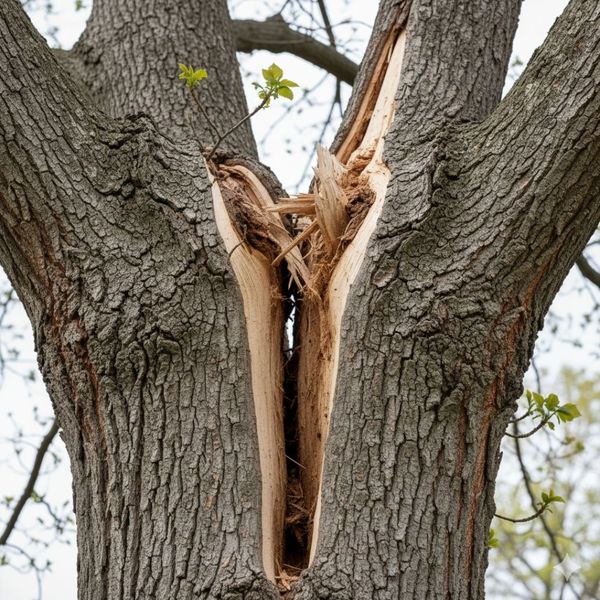
Obvious Trunk Cracks or Splitting
A major crack or split in the trunk or primary limbs is a clear sign of structural failure. Whether it’s a long, vertical seam or a "V-shaped" split at a major branch union, this damage severely compromises the tree’s integrity. Such weaknesses are often aggravated by high winds and heavy snow, which are common in Colorado. This structural damage turns a beautiful tree into an immediate and serious hazard.
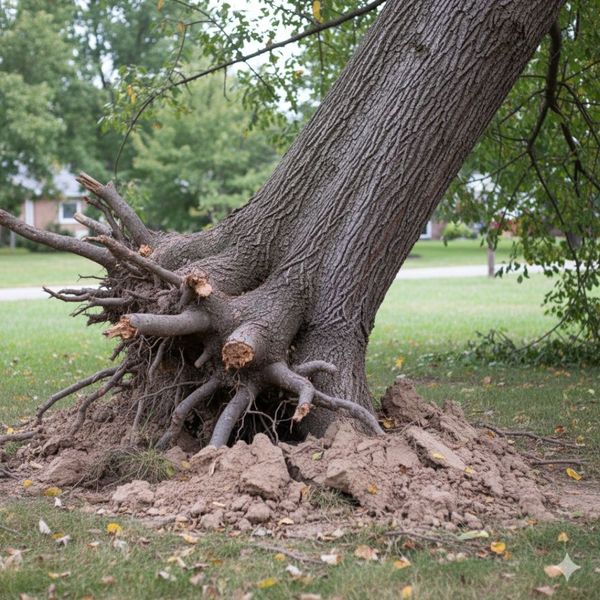
A Sudden and Noticeable Lean or Upheaval
If your tree suddenly develops a significant lean, or if you notice the soil around the base appears lifted or mounded, the root system is likely failing. This instability makes the tree a prime candidate for complete failure, especially during a storm. This is not the time for DIY fixes; a failing root plate requires immediate and professional tree removal to prevent the tree from toppling onto your home or other structures.
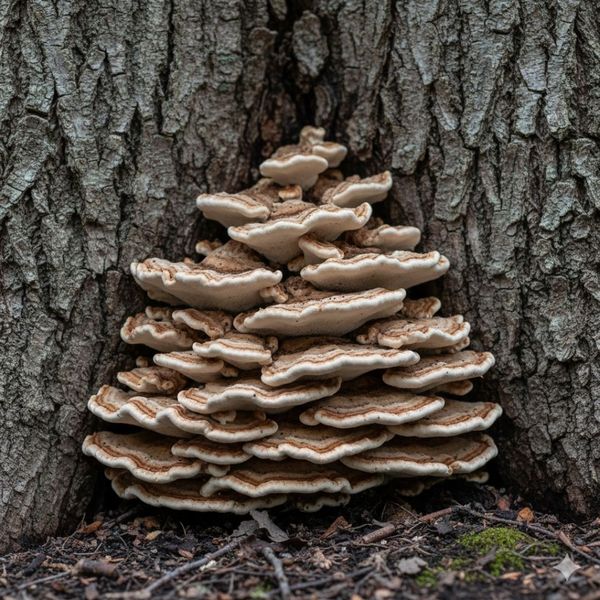
Visible Decay and Fungus Growth Near the Base
Fungi (like mushrooms or conks) growing on the trunk or at the root collar indicate that internal wood decay is already present. Decay weakens the core of the tree, creating hollow sections that are invisible from the outside. While the tree may look healthy from a distance, this internal rotting compromises the structural support. An expert from Tarzan Tree Care can assess the decay's extent to determine if safe tree removal is necessary.
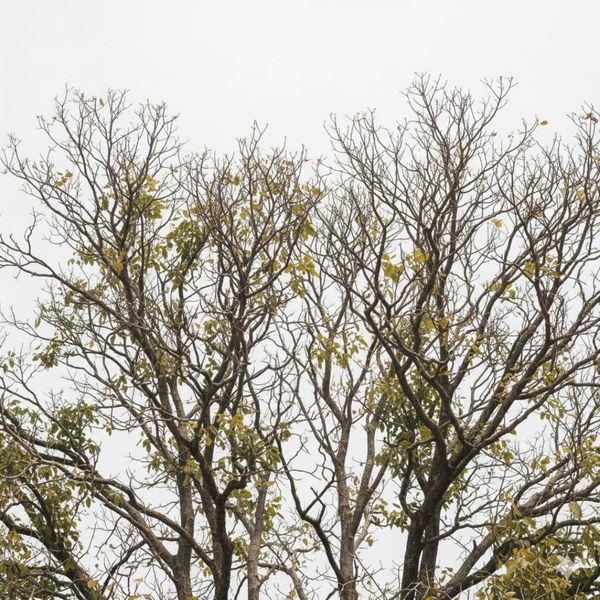
Extensive Deadwood or Sparse, Brown Foliage
A healthy tree should have full foliage and no more than a few dead branches. However, if 50% or more of the tree’s canopy is dead, brittle, or shows significant browning and sparse leaves, it is likely dead or dying. Dead trees are structurally weak and can shed large "widowmaker" limbs without warning, posing a significant threat. Investing in a timely hazardous tree removal service is crucial for mitigating this avoidable risk.
Your landscape is an investment, and safety is non-negotiable. Knowing these signs empowers you to be proactive. If you notice any of these four hazards, the next step is calling a certified arborist. Tarzan Tree Care specializes in complex, safe tree removal in the Colorado foothills, ensuring a clean and secure process from start to finish. Contact us today for a free evaluation and regain your peace of mind.